


Standing alongside refugees and migrants in Romania since 2000, for protection, opportunities and a place in the community

Jesuit Refugee Service (JRS) Romania is a Romanian non-profit organisation established in accordance with Romanian law, including Government Ordinance No. 26/2000, and its own Statutes.
It is a legal entity governed by private law, operating on a non-profit, non-governmental and non-political basis, with a humanitarian mission.
The organisation is independent and operates according to democratic principles.
JRS Romania is part of the international Jesuit Refugee Service network. We are rooted in the Catholic tradition and the social mission of the Society of Jesus. We support people according to their needs, without discrimination on grounds of origin or religion.
At the heart of our work are people seeking safety and the opportunity to move forward with their lives. Each person brings their own experiences, family ties, knowledge and plans for the future. We believe that support begins with understanding these things and respecting each person’s choices.
Refugees and migrants are the priority of our mission. This responsibility also extends to vulnerable individuals and families in local communities, including Romanian citizens, who face poverty, violence, discrimination or limited access to services and opportunities.
JRS Romania supports refugees and migrants to understand their rights, overcome the challenges of life in a new country and build a secure future.
Read the JRS Romania Statutes to learn more about our purpose, organisational structure and activities.
A society where refugees and migrants can build their future and participate in community life
We envisage a Romania and a Europe where refugees and migrants are welcomed with respect, can exercise their rights and have opportunities to learn, work and live in safety. A society where people can belong to a community while retaining their identity, and where the hardships they have experienced do not determine their entire future.
We aim to provide support that contributes to stability, independence and participation. To do this, we consider each person’s needs and resources alongside the circumstances of the community in which they live.
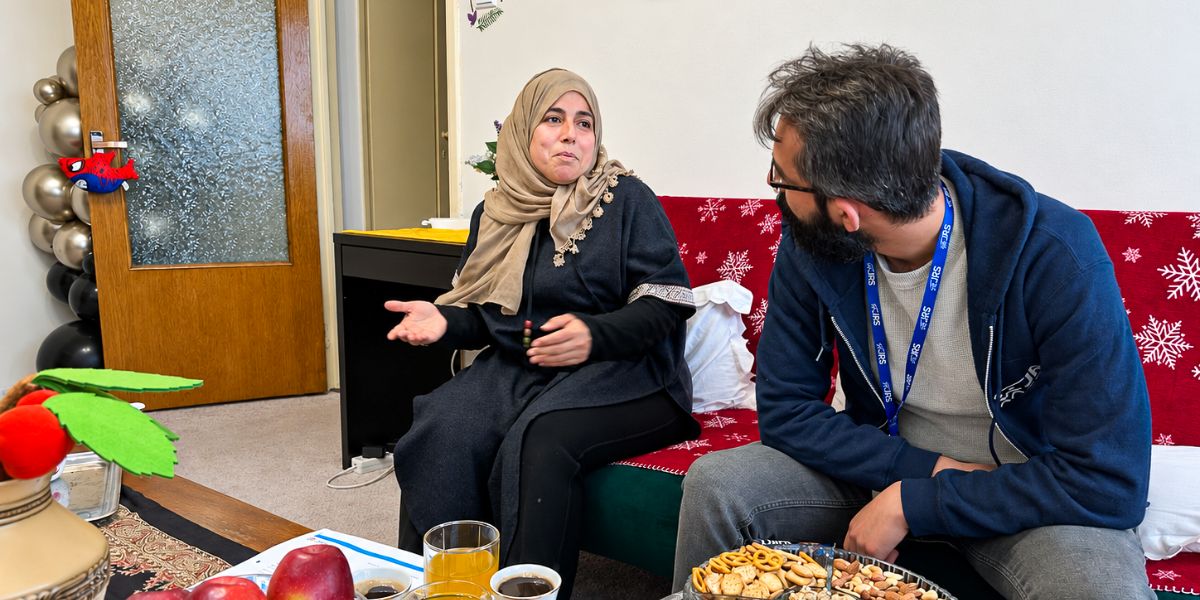
Protection and safety for people who have had to rebuild their lives
We want refugees and migrants to find protection from violence, abuse and exploitation, and to be able to make informed decisions about their lives. Safety means having adequate housing, access to support and confidence that their rights are respected. We pay particular attention to those who face additional difficulties or have few people they can rely on.
The loss of a home, separation from family and an uncertain income can be compounded by rejection, stigma or exploitation. Our priority is for people to find support suited to their circumstances, so they do not have to face these difficulties alone. Through legal and social assistance, counselling and material support, we work with them to address urgent needs and achieve greater stability. With your support, we can continue to stand alongside them, including where help is difficult to find.
Education and opportunities that enable people to build their independence
We see education and access to employment as essential foundations for a stable future. Refugee children need to continue their education and become part of school life. Young people and adults need opportunities to draw on their experience, develop skills and earn a living. This same commitment extends to people in local communities who face similar barriers.
An unfamiliar language, disrupted schooling, education costs and difficulties in having qualifications recognised can limit these opportunities. For parents, a lack of childcare support can make it difficult to attend courses or find work. Together with our donors and partners, we support language courses, catch-up learning and skills development. We want learning to encourage curiosity, creativity and critical thinking, and to help people use their abilities in everyday life.


Communities where refugees, migrants and local people get to know one another and contribute together
We want communities where encounters between people build trust and supportive relationships. Refugees and migrants bring experiences and skills that can contribute to community life. Their participation, alongside that of local people, helps overcome prejudice and find responses to shared challenges.
Isolation, communication barriers and a lack of opportunities to get to know one another can deepen the distance between people. We want refugees and migrants to be able to build relationships beyond their own communities and take part in local decisions and activities. With the help of our partners, volunteers and supporters, we create opportunities for people to meet through educational, cultural and community activities, where everyone can learn, contribute and be heard.
Rights that people can exercise in everyday life
For refugees and migrants, the recognition of a right must be accompanied by a genuine ability to exercise it. We want accessible institutions and services, where language, origin, disability or financial circumstances do not become grounds for exclusion. People’s experiences must be heard and taken into account in decisions that affect them.
Information that is difficult to understand, complicated procedures and discriminatory practices can prevent access to school, employment, healthcare or protection. We draw on the difficulties faced by the people we support to document these barriers and propose solutions. Through dialogue with public authorities, research and collaboration with other organisations, we advocate for improvements to the policies and practices that affect the lives of refugees, migrants and other vulnerable people.

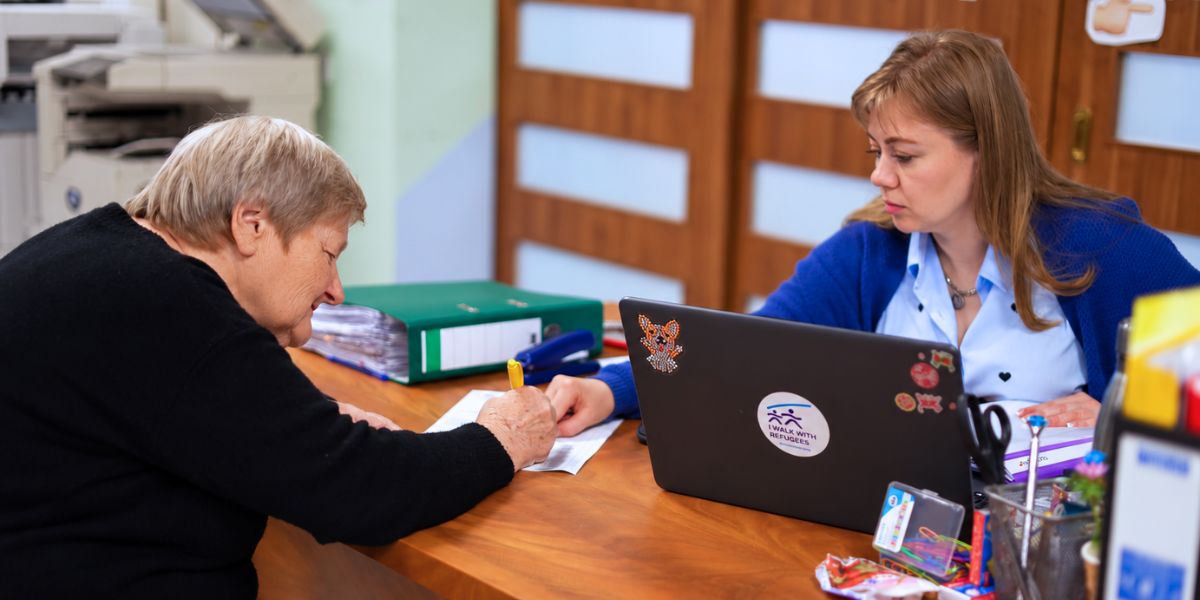
Solidarity with vulnerable individuals and families in Romania
Refugees and migrants remain at the heart of JRS Romania’s mission. Our solidarity also extends to people in local communities, including Romanian citizens, who face poverty, violence, discrimination or limited access to services.
This includes children and young people with limited opportunities, women affected by violence, victims of human trafficking and exploitation, people with disabilities, older people and families facing hardship. A lack of safe housing, income or care support can cause difficulties to accumulate and become increasingly hard to overcome.
Our priority is for these people’s needs to be understood and appropriately addressed through our programmes and collaboration with specialist services and organisations. With the support of donors and partners, we can develop initiatives that create opportunities for refugees and migrants, as well as vulnerable people in the communities where they live.
Caring for our common home and for people affected by climate change
Climate change, environmental degradation and disasters can destroy homes, harm health and undermine livelihoods. Alongside poverty, conflict and a lack of protection, these pressures can contribute to displacement and compound the difficulties faced by refugees, migrants and the communities that welcome them.
As an organisation with Catholic roots, we seek to care for our common home while standing alongside those most affected. Our mandate connects environmental responsibility with the protection of human life and dignity. We are particularly concerned about people who have limited resources to prepare, adapt or rebuild their lives after a crisis.
With your support and that of our partners, we can develop responses to these needs, from information and preparedness to support for affected communities. We aim to bring care for the environment and solidarity with people together, contributing to a safer future for present and future generations.
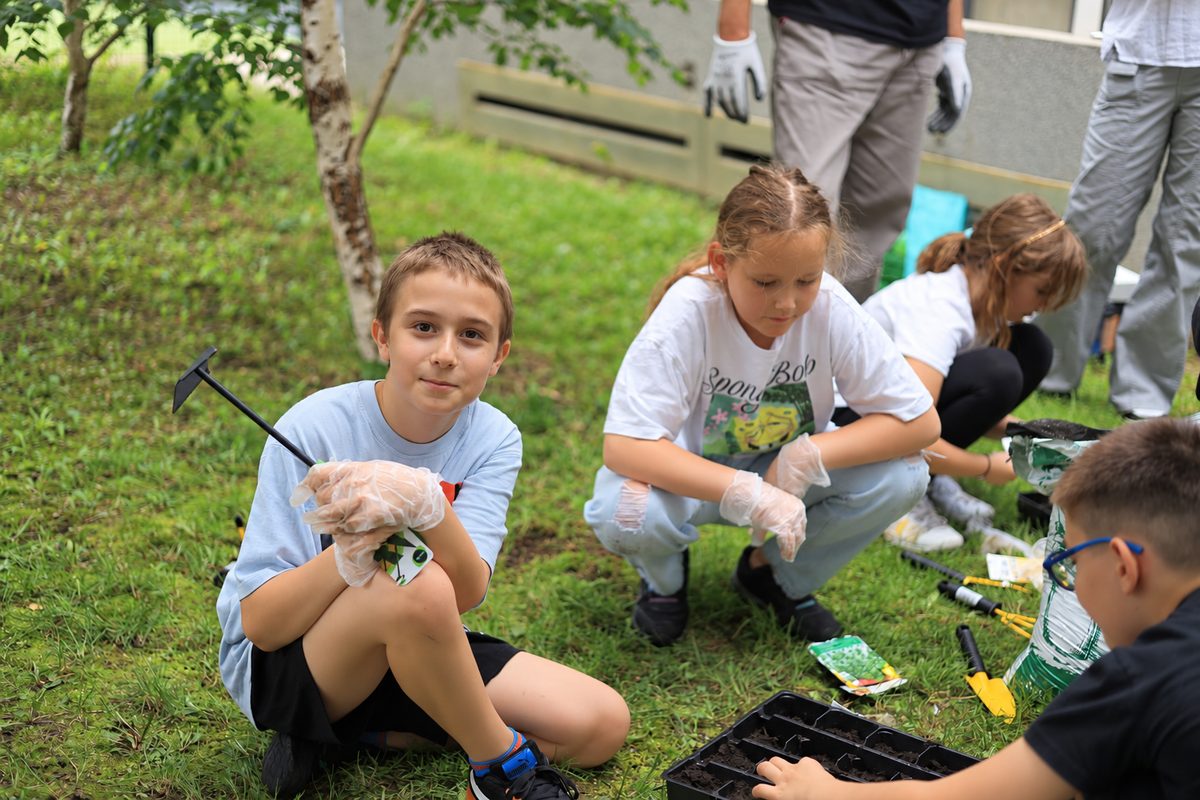
Refugees and migrants, with particular attention to those most in need
Our mission focuses on refugees, asylum seekers, migrants, stateless people and people who have been forcibly displaced. We consider both their needs on arrival and the difficulties that may arise in the years that follow, during integration or at other stages of migration.
Among these groups and within local communities, we pay particular attention to the following circumstances:
Children, young people and families whose safety and continued education are at risk
Children who are separated from their families or unaccompanied, children at risk of abuse or dropping out of school, young people with limited opportunities, and families struggling to care for and educate their children.
People affected by violence, exploitation and discrimination who need protection
Women and girls at risk, victims of domestic or gender-based violence, human trafficking and exploitation, as well as people exposed to abuse, persecution or discrimination.
People who face additional barriers because of health conditions, disability or age
People with disabilities, serious or chronic illnesses or mental health difficulties, older people and people who depend on care. Our concern also extends to their families and carers.
People and communities with limited access to housing, income and opportunities
People without safe housing or sufficient income, or with limited access to employment and education. Our mandate also includes marginalised, isolated or crisis-affected communities where the support available does not meet existing needs.
JRS Romania Statutes
PURPOSE AND OBJECTIVES OF THE ASSOCIATION
As a humanitarian, non-governmental, independent, non-profit, non-political and democratic association, the Association’s purpose is to defend, support and promote fundamental human rights and freedoms and contribute to their effective realisation; to protect human life and dignity; to prevent and reduce vulnerability, discrimination, poverty, marginalisation and social and economic exclusion; and to support the protection, integration, inclusion, autonomy, participation and development of individuals, families and communities in need.
The Association carries out its activities primarily, but not exclusively, for the benefit of refugees, asylum seekers, migrants, third-country nationals, stateless persons, internally displaced persons and persons displaced across borders, beneficiaries of international, subsidiary, temporary or other forms of protection, persons undergoing procedures for the granting of protection, and persons who have been returned, repatriated, resettled or evacuated, or who are undergoing return or readmission procedures.
The Association pays particular attention to individuals, families, groups and communities directly or indirectly affected by migration, forced displacement, persecution, armed conflict, war, human rights violations, natural disasters, climate change, environmental degradation, humanitarian, social, economic or public health crises, or other emergencies.
The Association also seeks to support individuals and groups in situations of vulnerability, including, but not limited to:
- a)children, adolescents and young people, including unaccompanied children or children separated from their families, children at risk, children experiencing abandonment, neglect, abuse, exploitation, exclusion, institutionalisation or school dropout, and children with limited access to education, healthcare, protection or other services;
- b)women and girls in situations of vulnerability, including persons affected by domestic violence, gender-based violence, sexual violence, harassment, abuse, exploitation, neglect, online violence or other forms of violence;
- c)victims and potential victims of human trafficking and exploitation, including sexual exploitation, labour exploitation, forced labour, servitude, slavery or similar practices;
- d)victims of torture, cruel, inhuman or degrading treatment, persecution, armed conflict, conflict-related violence, other serious human rights violations or criminal offences;
- e)persons in situations of vulnerability associated with irregular migration, migrant smuggling, exploitation, abuse or other migration-related risks, as well as persons deprived of their liberty or subject to restrictions on their liberty, including those in public custody, administrative detention, reception, accommodation or transit centres, or other accommodation or protection arrangements;
- f)persons affected by discrimination, racism, xenophobia, intolerance, stigmatisation, hate speech, harassment, violence or hate crime, as well as persons discriminated against on any other grounds protected by law;
- g)persons with disabilities, persons with physical or mental health conditions, psychosocial vulnerabilities, serious or chronic illnesses, and persons living with or affected by HIV/AIDS or other conditions that may give rise to vulnerability, discrimination or social exclusion;
- h)older persons, persons dependent on care or support, and their family members and carers;
- i)single-parent families, large families, separated or reunited families, families experiencing difficulties, and family members of persons in situations of vulnerability;
- j)persons experiencing homelessness, persons living in inadequate or precarious conditions, and persons at risk of eviction, loss of housing or housing exclusion;
- k)persons with no or low income, persons at risk of poverty, energy poverty or social exclusion, economically disadvantaged persons, unemployed and long-term unemployed persons, economically inactive persons, young people not in employment, education or training (NEETs), and persons with limited access to the labour market;
- l)persons with low levels of education, literacy, vocational qualifications or digital skills, or with limited access to technology, information, education, training and opportunities for personal or professional development;
- m)persons belonging to minorities, persons and communities that are marginalised, isolated, rural, disadvantaged or underserved, and persons affected by social, economic, educational or territorial inequalities or unequal access to services;
- n)persons leaving or who have left the care system, residential institutions, children’s homes, detention or other forms of care or protection, and who require support in transitioning to independent living;
- o)persons experiencing multiple or intersecting forms of vulnerability arising, among other factors, from age, gender, disability, health status, legal status, migration status, origin, socio-economic circumstances, family circumstances, housing conditions, educational attainment, access to the labour market or other personal and social circumstances;
- p)the families, relatives and dependants of direct beneficiaries, where supporting them contributes to the protection, recovery, integration or inclusion of those beneficiaries;
- q)host communities, local communities and other communities affected by migration, forced displacement, crises, poverty, discrimination, exclusion or other circumstances giving rise to social and humanitarian needs;
- r)any other individuals, families, groups or communities experiencing temporary or permanent vulnerability, risk, a need for protection, discrimination, marginalisation, poverty, or social, economic, educational or occupational exclusion, regardless of citizenship, nationality, origin, legal status or other characteristics, in accordance with the law.
In pursuing its purpose, the Association contributes to preventing and alleviating suffering in all its forms; protecting life, health, dignity and the environment; promoting equal opportunities and equal treatment, non-discrimination, solidarity and respect for human diversity; facilitating access to rights, justice, protection and services; supporting social, economic, educational and occupational integration and inclusion; increasing personal autonomy and independence; and strengthening community cohesion and resilience.
The Association also seeks to support personal, educational, professional, social, cultural and civic development; promote active participation in community life, intercultural and social dialogue, solidarity, volunteering, active citizenship, coexistence and mutual respect; and strengthen the ability of individuals and communities to exercise their rights and participate actively in society.
ACTIVITIES OF THE ASSOCIATION
To fulfil the purpose and objectives for which it was established, and for the benefit of the individuals, families, groups and communities referred to above, the Association may undertake the following activities, directly or through partners, in Romania and abroad:
- 1.Provide information, guidance, accompaniment, assistance and counselling in social, legal, psychological, psychotherapeutic, medical, pastoral and spiritual matters, and provide material, financial, humanitarian and accommodation support, in accordance with the law;
- 2.Organise, provide and develop social and community services, with or without accommodation, including residential services, day services, community services, mobile services and other services permitted by law;
- 3.Undertake case management, individual and family assessments, needs and vulnerability assessments, the development and monitoring of intervention plans, guidance, referral, accompaniment, mediation and coordination of beneficiaries’ access to public and private services;
- 4.Conduct community outreach activities involving information, identification, guidance and support, field visits and mobile team services, including in isolated, marginalised or underserved communities;
- 5.Provide humanitarian aid and emergency assistance, including the distribution of food, non-food items, essential goods, medicines and other products permitted by law, and the provision of cash, vouchers, coupons, financial support or other forms of assistance;
- 6.Organise logistical and operational interventions for prevention, preparedness, response and recovery in emergencies, crises, conflicts, forced displacement, natural disasters, epidemics or other situations giving rise to humanitarian needs;
- 7.Facilitate access to adequate housing and accommodation, including by identifying housing and facilitating access to it, supporting rental arrangements, paying or co-financing eligible housing costs, preventing eviction and loss of housing, and implementing measures for persons experiencing homelessness or housing exclusion;
- 8.Provide translation, interpreting, intercultural and community mediation, language facilitation and support for beneficiaries’ access to authorities, institutions, services and administrative, judicial, medical, educational or other procedures;
- 9.Undertake mental health, psychosocial support, psychotherapy, wellbeing and recovery activities, including individual and group counselling, community activities, prevention, early intervention, support for beneficiaries, staff and volunteers, and referral to specialist services;
- 10.Organise and implement educational, cultural, artistic, recreational and sporting activities, formal, non-formal and informal education programmes, remedial learning activities, after-school programmes, summer schools and other activities for children, young people and adults;
- 11.Develop child and family protection programmes, prevent school dropout, family abandonment, family separation and institutionalisation, support family reunification, develop parenting skills and support the transition to independent living;
- 12.Organise training, instruction and skills development activities, including professional and vocational courses, qualification, retraining and continuing professional development, practical workshops, seminars, conferences, working groups and exchanges of experience;
- 13.Provide mentoring, coaching, educational, professional and vocational guidance, career counselling, personal development and preparation for independent living;
- 14.Develop and implement programmes relating to employment, labour market integration, vocational counselling, entrepreneurship, the social economy, skills development, qualification and retraining, support for income-generating initiatives, and access to lawful and decent work;
- 15.Implement measures promoting equal opportunities and equal treatment, non-discrimination, diversity, accessibility, inclusion and the effective participation of vulnerable persons in social, economic, educational, cultural and civic life;
- 16.Undertake activities relating to prevention, identification, information, counselling, protection, assistance, recovery, rehabilitation, reintegration and social and economic inclusion for victims and potential victims of human trafficking, exploitation, sexual exploitation, labour exploitation, forced labour, servitude, slavery or similar practices;
- 17.Undertake activities to prevent and combat domestic violence, gender-based violence, sexual violence, abuse, neglect, harassment and other forms of violence, and support victims in accessing their rights, protection and specialist services;
- 18.Provide humanitarian, social, legal, psychological, medical, material and financial assistance to migrants, refugees, asylum seekers, stateless persons, displaced persons and others in situations of vulnerability resulting from irregular migration, migrant smuggling, exploitation, abuse, return, administrative detention or other migration-related risks;
- 19.Support access to justice, administrative procedures, and protection and remedy mechanisms, including through legal information, counselling, guidance, referral and, in accordance with the law, representation or assistance in obtaining representation before the competent authorities and institutions;
- 20.Undertake activities to prevent and combat discrimination, racism, xenophobia, intolerance, stigmatisation, harassment, hate speech, violence and hate crime, including online;
- 21.Develop sustainable mechanisms and programmes for social and economic integration and inclusion, preventing marginalisation and exclusion, increasing autonomy, independence and self-reliance, reducing disparities, and strengthening individual and community resilience;
- 22.Promote active citizenship, participation in community life, social and sociocultural cohesion, intercultural and multicultural dialogue, social dialogue and partnership, solidarity and peaceful coexistence;
- 23.Support community development, community initiatives, initiative groups, volunteering, civic participation, and the involvement of beneficiaries and communities in identifying needs and designing, implementing, monitoring and evaluating programmes intended for them;
- 24.Recruit, train, coordinate and support volunteers, and develop volunteering, solidarity and civic engagement programmes, in accordance with the law;
- 25.Organise information, awareness-raising, sensitisation, public education and community mobilisation campaigns concerning human rights, the protection of vulnerable persons and other areas relevant to the Association’s purpose;
- 26.Undertake public communication, information and education activities through the media, online platforms, social networks, publications, campaigns, public events and other means of communication;
- 27.Undertake advocacy activities, promote and defend beneficiaries’ rights and interests, participate in the development, analysis, evaluation and revision of public policies, legislation and administrative practices, and formulate proposals, recommendations, position statements, petitions and other lawful representations;
- 28.Conduct research, analyses, studies, needs and vulnerability assessments, applied research, data collection and analysis, impact assessments, monitoring and documentation in areas relevant to the Association’s purpose, in compliance with data protection legislation and applicable ethical principles;
- 29.Develop, test, use and disseminate methodologies, standards, procedures, intervention models, tools, curricula, manuals, guides, educational materials, good practice handbooks, brochures, reports, case studies, monitoring and evaluation systems, databases and other technical tools;
- 30.Undertake monitoring, evaluation, quality assurance, organisational learning, development and continuous improvement of the Association’s services, programmes and interventions;
- 31.Develop and use digital solutions, platforms, applications, databases and other technological tools for information, education, counselling, service delivery, project management, monitoring, evaluation, reporting, and facilitating beneficiaries’ access to services and opportunities;
- 32.Develop and implement programmes and projects in partnership with central and local public authorities, public institutions, non-governmental organisations, international organisations, educational institutions and establishments, universities, research centres, social enterprises, commercial companies, communities, initiative groups and other entities in Romania and abroad;
- 33.Develop cooperation, coordination and exchanges of good practice among relevant stakeholders, including law enforcement authorities, courts, public institutions, international and non-governmental organisations, academia, the private sector and communities, and participate in networks, coalitions, platforms and working groups;
- 34.Promote and support international cooperation, exchanges of experience, mobility, the transfer of knowledge and good practice, and the implementation of transnational projects in areas relevant to the Association’s purpose;
- 35.Provide consultancy, technical assistance, training, mentoring and organisational development for non-governmental organisations, public institutions, communities, social enterprises and other relevant stakeholders, including in project management, financial management, protection, inclusion, education, volunteering, fundraising, policy development, monitoring and evaluation, and institutional capacity building;
- 36.Organise calls for proposals, project competitions and contests, and award grants, subgrants, funding, prizes, scholarships or other forms of financial or material support to legal entities and, where appropriate and in accordance with the law, individuals, groups, communities or other eligible beneficiaries;
- 37.Transfer funds, goods and other resources to partners and beneficiaries under approved projects, programmes, funding mechanisms and partnerships, in accordance with the law and the relevant funding agreements;
- 38.Administer, coordinate or implement projects and programmes financed through public or private, national, European and international funding, and act, as appropriate, as an applicant, beneficiary, project lead, partner, co-beneficiary, operator, intermediary or regranting body;
- 39.Establish, participate in the establishment of, support or manage social enterprises, work integration social enterprises and other economic entities or structures permitted by law and, where appropriate, acquire social enterprise status, in order to fulfil the Association’s purpose and support the social, occupational and economic integration of vulnerable persons;
- 40.Undertake direct economic activities that are ancillary and closely related to the Association’s main purpose, in accordance with the law, with the resulting income used to fulfil the Association’s purpose and objectives;
- 41.Undertake fundraising and resource mobilisation activities, and attract, receive and manage donations, sponsorships, grants, subgrants, contributions, legacies and other forms of funding permitted by law;
- 42.Purchase, rent, manage and use movable and immovable property, equipment, vehicles and other resources necessary for the Association’s activities and projects, in accordance with the law;
- 43.Enter into contracts, conventions, agreements, protocols, memoranda, partnerships and other legal instruments necessary to fulfil the Association’s purpose and objectives, and engage specialists, experts, consultants, suppliers and other collaborators;
- 44.Undertake activities to protect and improve the environment, promote sustainability and community resilience, and respond to the effects of climate change and disasters, in connection with the Association’s social and humanitarian purposes;
- 45.Contribute to the professional development of relevant stakeholders, the development of networks and coalitions, and the promotion of and compliance with applicable national, European and international standards, good practice, fundamental human rights and human dignity.
The Association may undertake any other activities permitted by law that contribute directly or indirectly to fulfilling its purpose and objectives.