

History
JRS worldwide: from solidarity to an international mission
The “boat people”: the beginning of a calling
The origins of the Jesuit Refugee Service lie in the plight of Vietnamese refugees who left their country in search of safety after the Vietnam War ended in 1975. Hundreds of thousands of people crossed the South China Sea in fragile, overcrowded boats. Known as the “boat people”, they faced storms, shipwrecks and pirate attacks. Many did not survive the journey.

1979: Father Pedro Arrupe’s appeal
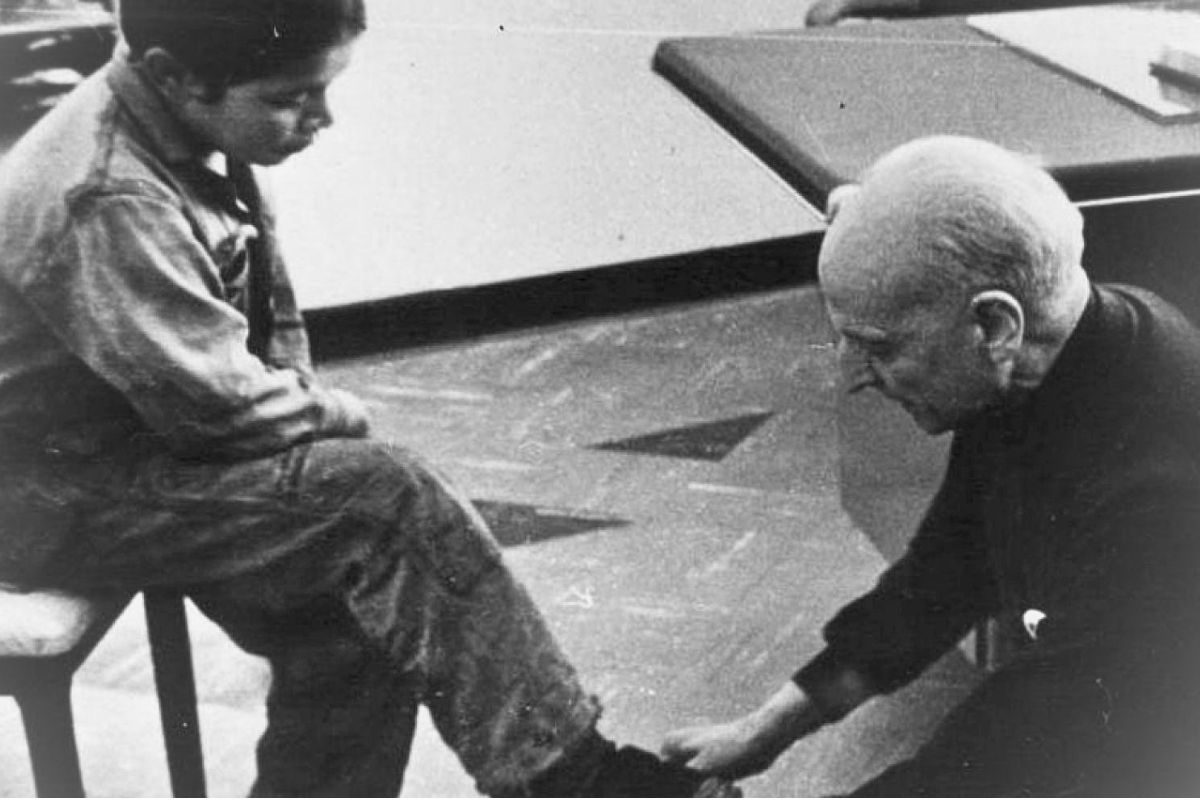
Deeply moved by the suffering of refugees, Father Pedro Arrupe SJ, Superior General of the Society of Jesus, called on Jesuit communities for support. In November 1979, he contacted superiors in several countries to identify practical ways to help.
The responses demonstrated the Jesuits’ willingness to act. A structure was therefore needed to coordinate these initiatives and turn solidarity into sustained support. In September 1980, a consultation at the Jesuit Curia led to the decision to establish a service dedicated to refugees.
14 November 1980: the founding of the Jesuit Refugee Service
On 14 November 1980, Pedro Arrupe announced the establishment of the Jesuit Refugee Service in his letter The Society of Jesus and the Refugee Problem. JRS was founded as the Society of Jesus’ response to the suffering of people forced to leave their homes and countries.
The initiative sought to bring together the experience, people and international connections of Jesuit communities in a coordinated response. From the outset, its work addressed the needs of both Vietnamese refugees and people fleeing other countries affected by conflict and crisis.
1981: accompaniment at the heart of the mission
In 1981, at a meeting in Thailand between Pedro Arrupe and Jesuits working with refugees, an idea central to JRS’s identity took shape: practical assistance should go hand in hand with presence, closeness and sharing in people’s lives.
This approach became known as accompaniment. It means listening to refugees, building relationships of trust and standing alongside them as they face difficulties and make decisions. Accompaniment remains one of the defining elements of JRS’s mission.
From Southeast Asia to a worldwide presence
Beginning with its work in refugee camps in Southeast Asia, JRS gradually expanded its activities. Conflicts and forced displacement in Africa, Central and Latin America, and southeastern Europe brought new needs and new communities alongside whom the organisation began to work.
Throughout this growth, its shared mission remained: to accompany, serve and advocate for the rights of refugees and other forcibly displaced people.
2000: strengthening the institutional framework
On 19 March 2000, JRS was officially registered as a foundation in Vatican City State. This step strengthened the institutional framework of a mission that had begun almost two decades earlier at the initiative of Father Pedro Arrupe.
Since its first efforts to help Vietnamese refugees, JRS has grown into an international expression of solidarity with people forced to flee, keeping each person’s dignity, hopes and rights at the heart of its work.
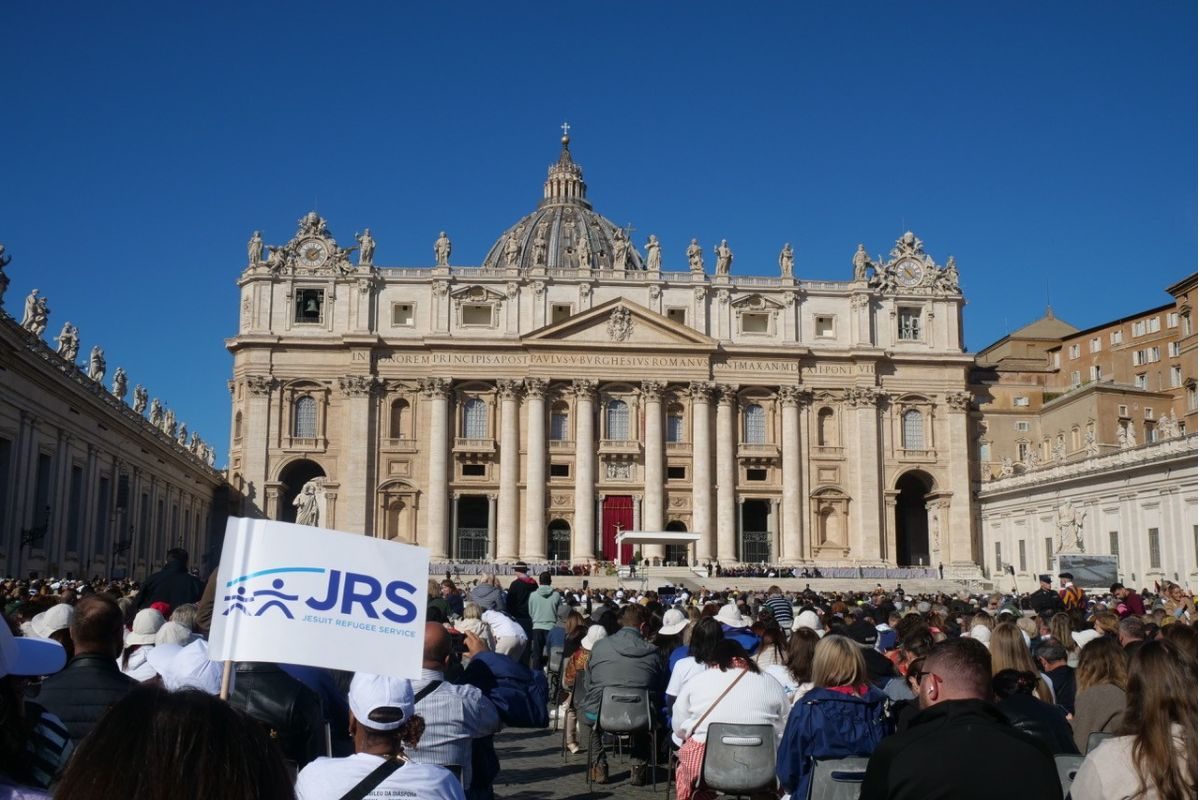
JRS in Romania: roots, solidarity and the beginnings of the mission
Jesuit roots in Romania
The history of JRS Romania is part of a longer tradition of education, service and solidarity. The presence of the Society of Jesus in what is now Romania dates back to 1579, when the first Jesuits settled in Cluj and opened a school. Over time, Jesuit communities developed educational, spiritual and social activities in several cities.
Bucharest: a place of refuge during the war
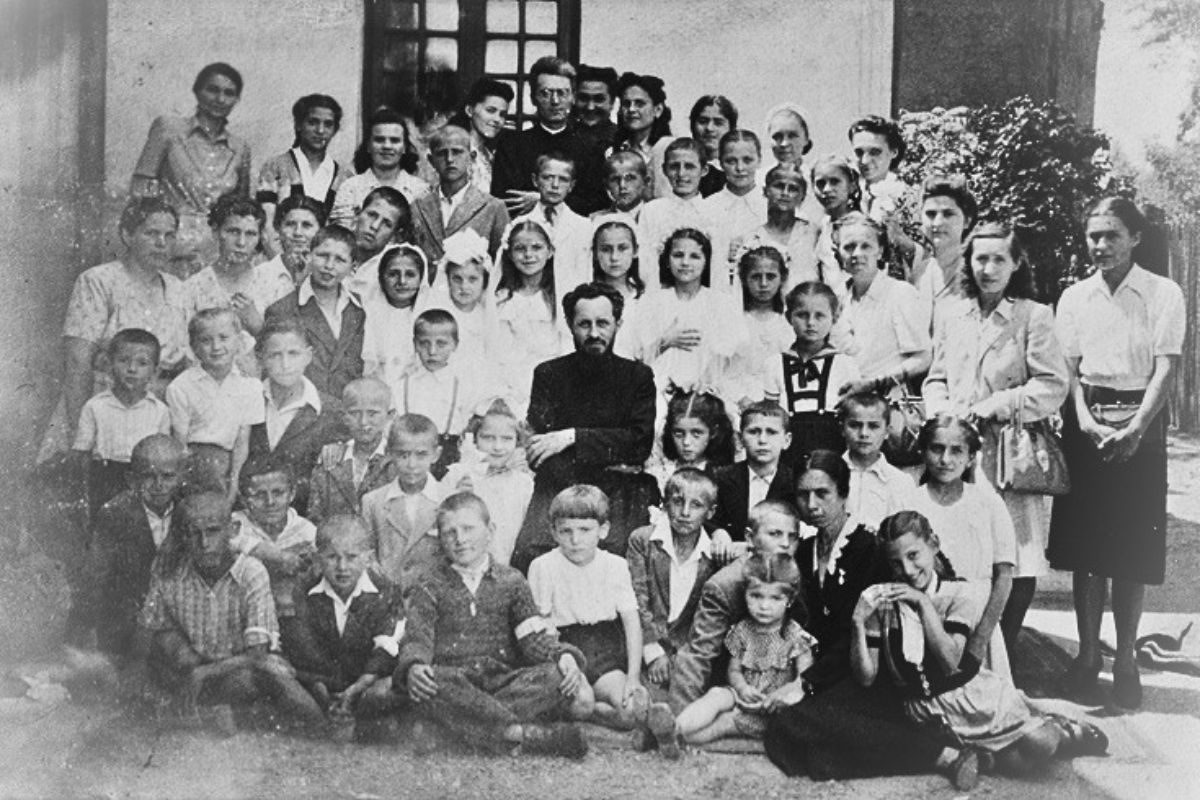
The Jesuit presence in Bucharest long predates the establishment of JRS. Shortly after the outbreak of the Second World War, the community’s house at 128 Cuza Vodă Street became a place of refuge for Polish Jesuits fleeing Nazi persecution. This chapter in its history reflects the community’s willingness to welcome people forced to leave their country.
Source: www.iezuiti.ro
The years of communist persecution
The establishment of the communist regime profoundly affected the lives of Jesuit communities in Romania. Jesuits faced repression, restrictions and pressure on their religious and professional activities. In 1950, several Jesuit priests and brothers were brought together by the Securitate, the communist secret police, at the Franciscan monastery in Gherla, where they were placed under compulsory residence. The history of the order records years of restrictions and difficulties in continuing its mission.
1992
1991–1992: rebuilding the community in Bucharest
Following the fall of the communist regime, Jesuit community life and activities could be rebuilt. Belgian Father Luc Duquenne SJ arrived in Romania on 17 November 1991, responding to the call to help restore the Jesuit presence in the country. The present community in Bucharest was established in 1992, with the arrival of Fathers Luc Duquenne, Cristóbal Roa Roa and Georg Sporschill. Social engagement, including support for refugees and children living on the streets, formed part of the re-established community’s work.

Encounters with refugees and the beginnings of a mission
Through his pastoral work in Bucharest, Father Luc Duquenne met people facing difficult circumstances, mainly from Africa and the Middle East. Some lacked documents or a clear legal status, while their immediate needs were housing and the means to support themselves.
The support grew out of these encounters and the search for practical solutions. Gradually, this assistance became more organised through the development of a structure dedicated to refugees in Romania. Father Duquenne’s founding role is also recognised in a speech by the French Ambassador, published in 2014 by the Society of Jesus in Romania.
1996: joining the European JRS network
The year 1996 marked the inclusion of the work in Romania within the European structure of the Jesuit Refugee Service. Father Luc Duquenne confirmed this milestone in a public address in 2002. Local support for refugees thus became part of an international mission to accompany, serve and advocate for the rights of forcibly displaced people.
2000: the official establishment of the association
On 2 May 2000, JRS Romania was officially registered as an association. This milestone strengthened the institutional framework for work that had begun in earlier years.
JRS International’s 2000 annual report names Father Luc Duquenne as the coordinator of JRS Romania. Reported activities included counselling, material assistance and shelter for 286 people each month, pastoral and social care in a detention centre near Bucharest, and advocacy for refugees’ rights.

Video: JRS Mission (YouTube). It loads only when you press play.
2002: the opening of Pedro Arrupe House
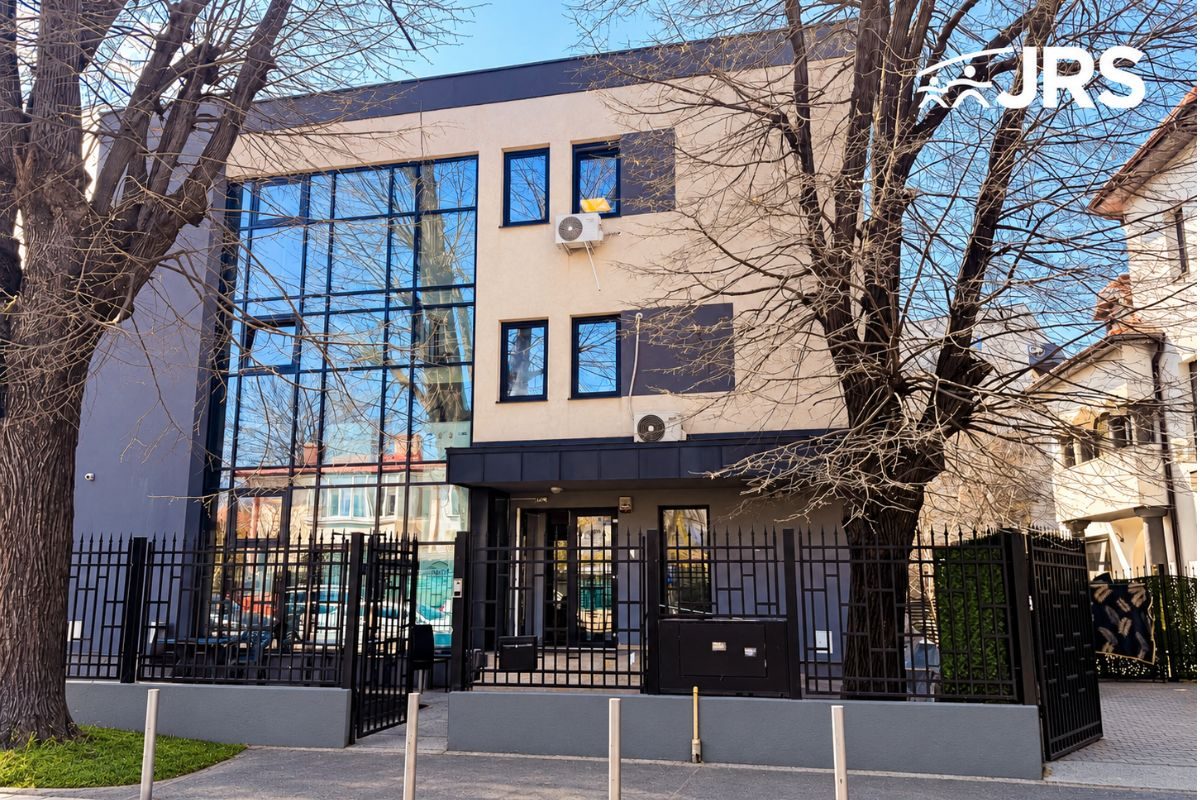
On 24 September 2002, the Pedro Arrupe Centre in Bucharest was inaugurated and blessed, bearing the name of JRS’s founder in his memory. Renovabis supported the establishment of the house, while the Michiko Inukai Foundation supported the development of educational activities.
The centre brought together counselling, emergency assistance, Romanian and English language classes, introductory computer courses and accommodation. For people in need of protection and stability, the house offered a supportive space and a starting point for rebuilding their lives in Romania.
Discover the countries where we work
Choose a region on the map to see the countries where JRS is present.